


This week tens of thousands of young people have taken to the streets of Delhi, India’s capital, demanding changes to the electoral system and the resignation of the country’s electoral commissioner. Thousands have been detained by police in the process.
They represent the ‘cockroach’ movement, a grassroots campaign group started by a Boston University graduate in protest at government policies and high youth unemployment. How did a movement that started as a meme capture the minds of India’s young people, and start to pose a challenge to its long-serving prime minister, Narendra Modi?
The BBC’s South Asia correspondent, Azadeh Moshiri, explains.
Timecodes:
0:00 Could the Cockroach movement reshape India?
0:51 Introduction to Azadeh Moshiri
1:28 What has been going on in India and how is the CJP involved?
3:05 The Cockroach Janta Party’s October demonstration in Delhi
7:34 How many people have been detained?
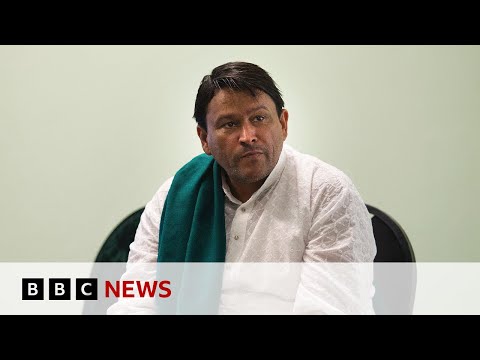
8:02 Who are the Cockroach Janta Party and their leader Abhijeet Dipke?
10:18 Indian exam leaks and their relevance
14:28 What caused the lull in protesting since summer?
17:01 Why is the CJP so popular?
19:21 Has Narendra Modi lost his political magic?
20:06 What is the justification for Modi’s BJP party to detain so many people?
23:04 Has Modi lost touch with the youth?Subscribe to our channel here: https://bbc.in/bbcnews
For the latest news download the BBC News app or visit BBC.com/news
#BBCNews